Los Angeles is known for openness, creativity, and diversity. It’s a city where people come to live more honestly, express themselves more fully, and find community.
But even in a place that celebrates difference, many LGBTQ+ people still carry stress, fear, and emotional weight that others may never see.
I hear it often in my work:
“I live in LA, but I still don’t feel fully safe being myself.”
“I’m accepted in some spaces, but not everywhere.”
“I don’t want to explain my identity in therapy. I just want help.”
That’s where choosing an LGBTQ-friendly therapist matters.
Therapy is meant to be a space where you can show up as you are. Not a place where you need to educate, defend, or justify your identity before getting support.
An LGBTQ-friendly therapist in Los Angeles understands that mental health does not exist separately from identity, culture, relationships, and lived experience.
This work is not about labels. It’s about safety, respect, and being truly seen.

What “LGBTQ-Friendly” Therapy Really Means
Many therapists say they are inclusive.
But LGBTQ-friendly therapy goes deeper than being polite or open-minded.
An LGBTQ-friendly therapist understands that sexual orientation and gender identity are not “issues” to be solved. They are parts of who you are.
Therapy does not focus on changing these aspects of you. Instead, it supports you in navigating the world while being fully yourself.
This kind of therapy means:
- You don’t have to explain basic concepts about identity or orientation
- Your experiences are taken seriously, not minimized or questioned
- Therapy does not assume heterosexual or cisgender norms
- Your relationships are respected without judgment
- Your safety, boundaries, and pace are honored
The Unique Mental Health Stressors LGBTQ+ People Face
While stress, anxiety, and depression affect many people, LGBTQ+ individuals often experience additional layers of pressure that others may not recognize.
Minority Stress
Research shows that LGBTQ+ people experience what’s called minority stress. This includes chronic stress from discrimination, microaggressions, fear of rejection, and social exclusion.
Even when overt discrimination is not happening, the expectation that it might happen can take a toll.
This stress can show up as:
- Constant vigilance or anxiety
- Difficulty relaxing in public spaces
- Emotional exhaustion
- Trouble trusting others
- Feeling on edge without knowing why
An LGBTQ-friendly therapist understands how these stressors impact mental health over time.
Coming Out Is Not a One-Time Event
Many people assume coming out happens once, and then life moves on. In reality, coming out is ongoing. New workplaces, doctors, family gatherings, friendships, and relationships can all bring up the same question: “Is it safe to be honest here?”
That repeated calculation can be exhausting.
Therapy provides space to process these decisions without pressure, guilt, or expectation.
Family and Cultural Rejection
Some LGBTQ+ people experience partial or full rejection from family or religious communities. Others remain connected to families who love them but do not fully accept their identity. These situations can bring grief, anger, confusion, and deep sadness.
An LGBTQ-friendly therapist helps you hold both love and pain at the same time, without forcing forgiveness or cutting ties unless you choose to.
What the Numbers Say (and What They Don’t)
I believe in evidence-based care, and the data paints a clear picture of why specialized support is so critical right now. While numbers can never capture the full complexity of an individual life, they validate what many in the community feel: the burden is real, and the need for support is high.
According to The Trevor Project’s 2024 Survey, the mental health landscape for LGBTQ+ young people in California remains challenging. Their data indicates that 35% of LGBTQ+ youth in California seriously considered suicide** in the past year.
Even more concerning is the gap in care: 50% of those who wanted mental health care were unable to get it**. While this survey focuses on young people (ages 13–24), we know clinically that these vulnerabilities don’t just vanish when you turn 25. The patterns of shame, isolation, and untreated trauma often persist into adulthood if they aren’t addressed.
Why Los Angeles Is Unique for LGBTQ+ Mental Health Care
Los Angeles is diverse, but it’s also intense. The pace, cost of living, career pressure, and social comparison can amplify mental health challenges.
For LGBTQ+ individuals, LA can be both liberating and overwhelming.
You may find:
- Vibrant LGBTQ+ communities
- More visibility and representation
- Opportunities to live openly
At the same time, you may also face:
- High expectations to succeed or “have it together”
- Comparison culture and pressure to look or live a certain way
- Isolation despite being surrounded by people
- Relationship challenges shaped by dating app culture
An LGBTQ-friendly therapist in Los Angeles understands these contradictions and helps you make sense of them in ways that feel grounded and real.
What Happens When Therapy Is Not LGBTQ-Affirming
It’s important to talk honestly about this.
When therapy is not LGBTQ-affirming, clients may experience:
- Feeling misunderstood or dismissed
- Having identity questioned or reframed as a problem
- Avoiding important topics out of fear
- Leaving sessions feeling worse instead of supported
Some people don’t return to therapy after one harmful experience. That loss of support can delay healing for years.
Choosing an LGBTQ-friendly therapist is not about being “picky.” It’s about protecting your mental health.
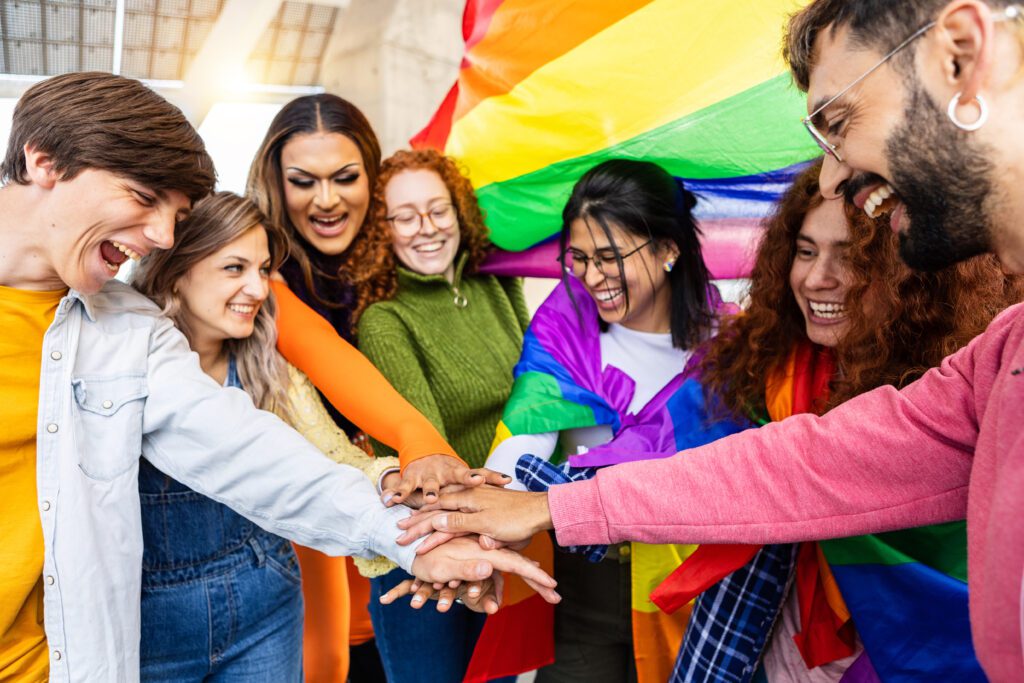
How an LGBTQ-Friendly Therapist Supports Emotional Safety
Emotional safety is the foundation of good therapy.
An LGBTQ-friendly therapist creates safety by:
Listening Without Assumption
They don’t assume your gender, pronouns, relationship structure, or goals. They ask, listen, and follow your lead.
Respecting Your Pace
There is no pressure to disclose anything before you’re ready. Whether you are questioning, exploring, or fully out, your timeline matters.
Holding Complexity
You can love parts of your identity and struggle with others. You can feel proud and scared at the same time. Therapy allows room for complexity without forcing clarity too quickly.
Challenging Harmful Narratives
Many LGBTQ+ clients carry internalized messages from society, family, or religion. A therapist helps you notice these messages and gently question whether they truly belong to you.
Common Reasons LGBTQ+ People Seek Therapy
There is no “right” reason to start therapy. Some common themes include:
- Anxiety related to identity or safety
- Depression or emotional numbness
- Relationship concerns
- Dating fatigue or loneliness
- Family conflict or estrangement
- Gender exploration or transition support
- Trauma related to discrimination or harassment
- Stress, burnout, or life transitions
What Sessions with an LGBTQ-Friendly Therapist Look Like
While every therapist has their own style, sessions often include:
A Safe, Grounded Start
Sessions begin where you are. Some days you may talk a lot. Other days you may feel quiet or unsure. All of that is welcome.
Exploration Without Pressure
You can explore thoughts, feelings, and experiences without needing to reach a conclusion right away.
Practical Tools
Therapy may include strategies for managing anxiety, setting boundaries, communicating needs, or regulating emotions.
Reflection and Insight
Over time, patterns become clearer. You may notice how past experiences shape present reactions. Awareness creates choice.
Ongoing Adjustment
Therapy is not rigid. Goals evolve. Focus shifts. Your therapist adapts with you.
The Importance of Representation and Understanding
Many LGBTQ+ clients say the biggest relief in therapy is not having to explain themselves.
When a therapist already understands:
- Pronouns and identity language
- LGBTQ+ relationship dynamics
- Community-specific stressors
- Social and cultural context
Sessions can go deeper, faster, and with more ease.
Feeling understood allows healing to unfold naturally.
How to Find the Right LGBTQ-Friendly Therapist in LA
So, how do you find this person?
In a city like Los Angeles, you have thousands of options, which can actually be paralyzing. “Analysis paralysis” is real. Here is a practical framework to help you cut through the noise and find a clinician who is truly a good fit for you.
1. Look for Specifics, Not Generalities
Scan their website or profile. Do they just list “LGBTQ” in a long list of 50 other specialties? Or do they write about it? Do they mention specific issues like gender dysphoria, mixed-orientation marriages, or ethical non-monogamy? A therapist who actively writes about these topics is demonstrating their competence.
2. The Consult Call is Your Interview
Most therapists, myself included, offer a brief consultation. This is your chance to vibe-check. You are hiring a consultant for your life; you are allowed to ask questions. Here are some powerful ones to ask:
- “What is your experience working with [your specific identity] clients?” (e.g., trans men, non-binary people, lesbian couples). Listen for a comfortable, specific answer, not a vague “I see everyone.”
- “How do you approach gender-affirming care?” If you are trans or non-binary, this is crucial. Are they familiar with WPATH standards? Are they comfortable writing letters for medical transition if that’s part of your goal?
- “What is your stance on conversion therapy?” In California, Senate Bill 1172 bans this harmful practice for minors when conducted by licensed providers. While the law does not apply to adults, asking this question helps clarify a therapist’s values and commitment to affirming care. An LGBTQ-friendly therapist should clearly reject conversion therapy in all forms and affirm that sexual orientation and gender identity are not problems to be fixed.
- “Do you have experience with [specific need]?” Think about what else you need. Do you need medication management? (As a psychiatrist, I handle both therapy and meds). Do you need couples work? Sex therapy?
3. Check the Logistics (The LA Factor)
Therapy has to work for your life. In LA, that means thinking about traffic. If you are in Silver Lake and the therapist is in Santa Monica, are you really going to drive across the 10 every week at 5 PM? Probably not. Look for someone who offers Telehealth options or is located near your daily route. I offer both in-person sessions in Santa Monica and secure video sessions, because I know that fighting traffic adds stress we are trying to reduce.
4. Trust Your Gut (The “Click”)
Research shows that the “therapeutic alliance,” how well you click with your therapist, is the biggest predictor of success. Do you feel heard? Do you feel like you have to edit yourself? If you feel a “check” in your spirit, honor it. You don’t have to settle.

When to Reach Out for Support
People often ask me when it “makes sense” to start therapy. My answer is usually simple: you don’t have to be in crisis to reach out.
You might consider therapy if:
- You feel anxious or on edge most days
- You feel disconnected from yourself or others
- You are navigating questions around identity or belonging
- You feel weighed down by past experiences
- You want support without judgment
None of these mean something is “wrong” with you. They are signals that something inside you wants care, space, and understanding.
You do not have to wait until things feel unbearable. Therapy can be a place to check in with yourself before stress, anxiety, or disconnection start to take over. Reaching out earlier often makes the work feel steadier and more supportive, rather than urgent or overwhelming.
If this resonates with you and you are looking for support in Santa Monica or via telehealth, I invite you to reach out to me. We can set up a time to talk, see if we are a good fit, and start the work of getting you back to yourself.
